Credit: Published originally in Arabic (VOICE Magazine, Issue 57, 25 Oct 2025) as part of the Medics Weekly Dialogue Forum.
Interviewers: Prof. Abobakr Shadad and Prof. Walideen Alfaki.
Translated and edited by: Dr. Anas Elhag
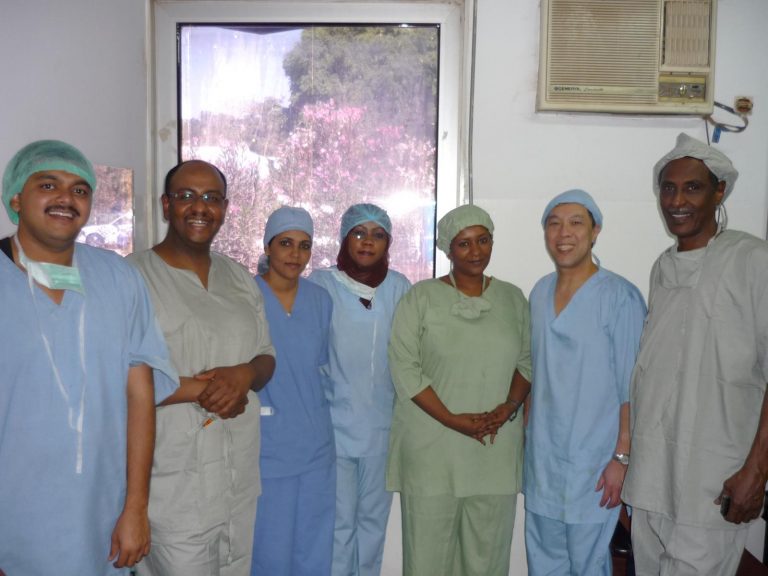
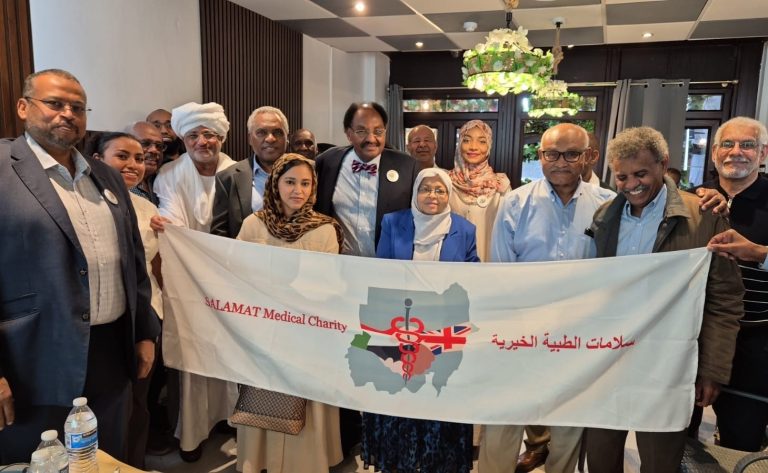
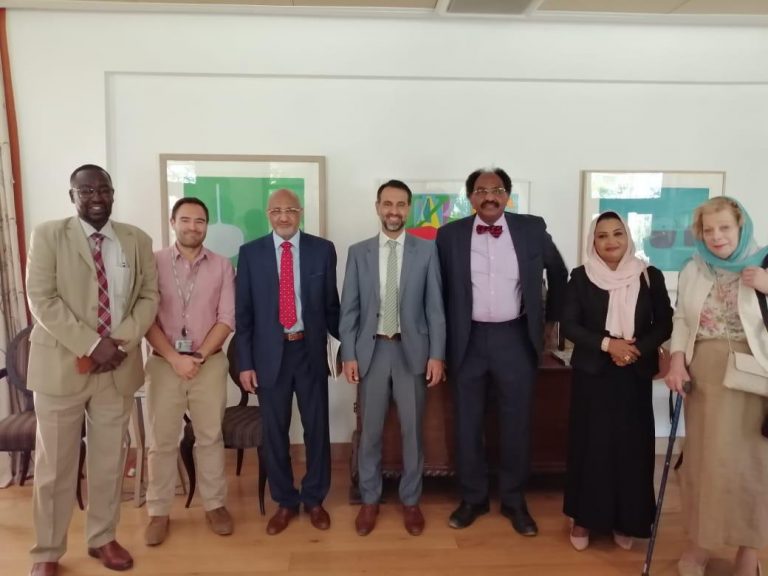
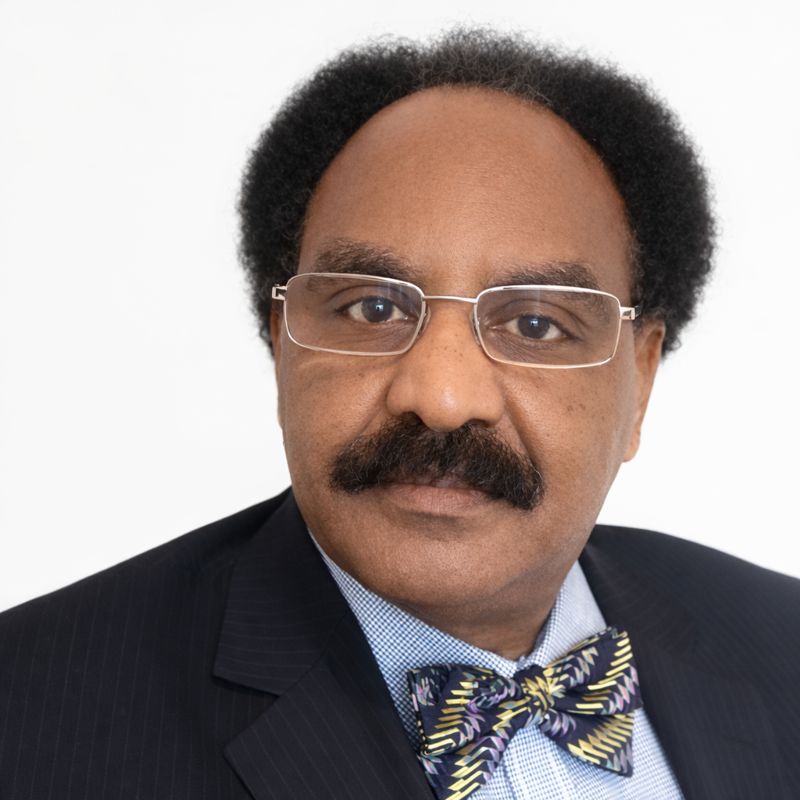
In a special session of the Medics Weekly Dialogue Forum, Prof. AbdelGalil Abdulrahman Ali (Consultant Nephrologist, England) – Chairperson of SALAMAT Medical Charity UK and one of its founders – shared the story of SALAMAT Medical Charity UK and reflected on its journey over 16 years – from an idea in the diaspora to a sustained, specialised humanitarian organisation supporting health services and training across Sudan.
Why this conversation, and why now?
The Forum hosted Prof. AbdelGalil to help the public – and especially younger doctors – learn from SALAMAT’s accumulated experience: its medical convoys, training missions, community mobilisation, and partnerships across Sudan. The discussion came at a symbolic moment as SALAMAT marked its 16th anniversary.
The beginnings: how SALAMAT started
Prof. AbdelGalil began by remembering the late Dr. Ibrahim El-Tayeb El-Rayah (رحمه الله), a key figure in Sudanese community work in the UK and Ireland in the 1990s. A “medical circle” under the Sudanese National Council in the UK and Ireland started sending medical convoys to Sudan in 2003, funded by the Council. Prof. AbdelGalil noted that Prof. Mr. Kamal Abusen (رحمه الله) was among the early supporters of these missions.
By 2009, that funding stopped. The question became: Do we stop, or continue? The decision was to continue with whatever funding was available, and SALAMAT was formally established in 2009 at a meeting hosted at Dr. Mohamed Elamass’s home. The founding group included:
- Mr. Mohamed Elamass
- Dr. Majid Omar Mohamed Al-Tayyib
- Dr. Ali Abbas Imam
- Dr. Abdelnaser Mohamedin
- Dr. Al-Tahir Hamad Al-Neel
- Dr. Mohamed Mohi Eldeen Mahgoub
- Dr. Omar Nugud
- Prof. AbdelGalil Abdulrahman Ali
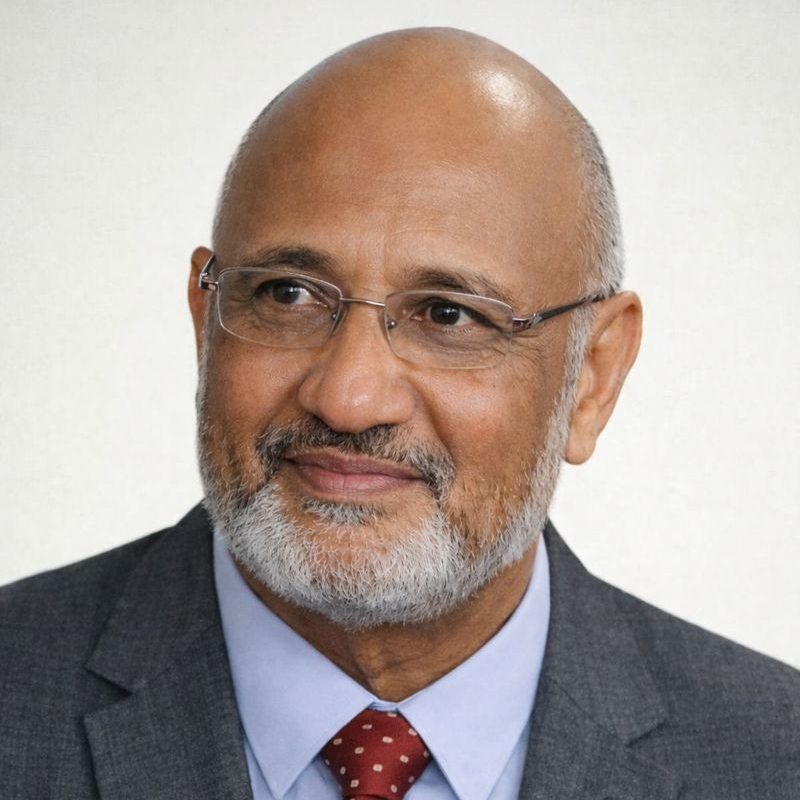
Prof. AbdelGalil emphasised that SALAMAT’s growth later depended on many additional colleagues (men and women) joining and supporting the work.
SALAMAT’s philosophy: sustainability, not “one-off” missions
While clinical clinics and surgeries provide immediate benefit, Prof. AbdelGalil stressed that these are often limited and temporary unless they lead to sustainable change. SALAMAT therefore focuses on three core pillars in addition to direct medical services:
1) Training and knowledge transfer
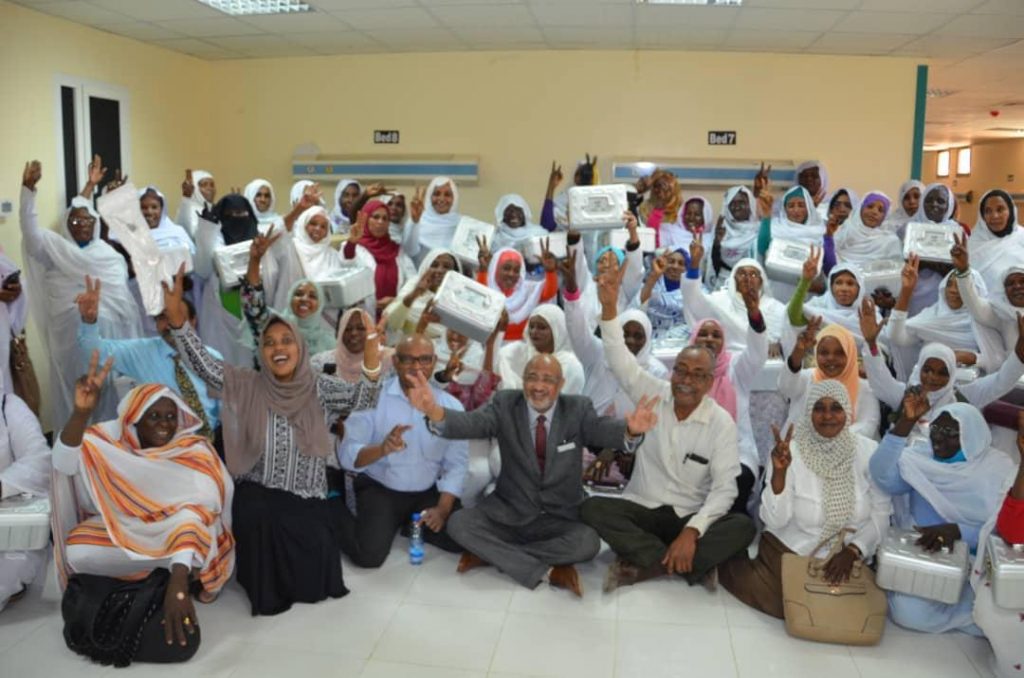
SALAMAT convoys include training teams of experts who transfer skills to local health workers—doctors, nurses, technicians, and staff—aiming to strengthen the health system in states and rural areas in a lasting way.
2) Establishing specialised service centres
Instead of only offering services during a convoy week, SALAMAT works to establish or develop specialised centres that continue operating locally—such as dialysis, oncology, and children’s diabetes centres.
3) Mobilising community and social support
SALAMAT missions often energise local communities and diaspora networks. This creates partnerships and practical support (hosting, logistics, local contributions) and helps address barriers to services and service improvement.
Partnerships: a major factor behind SALAMAT’s success
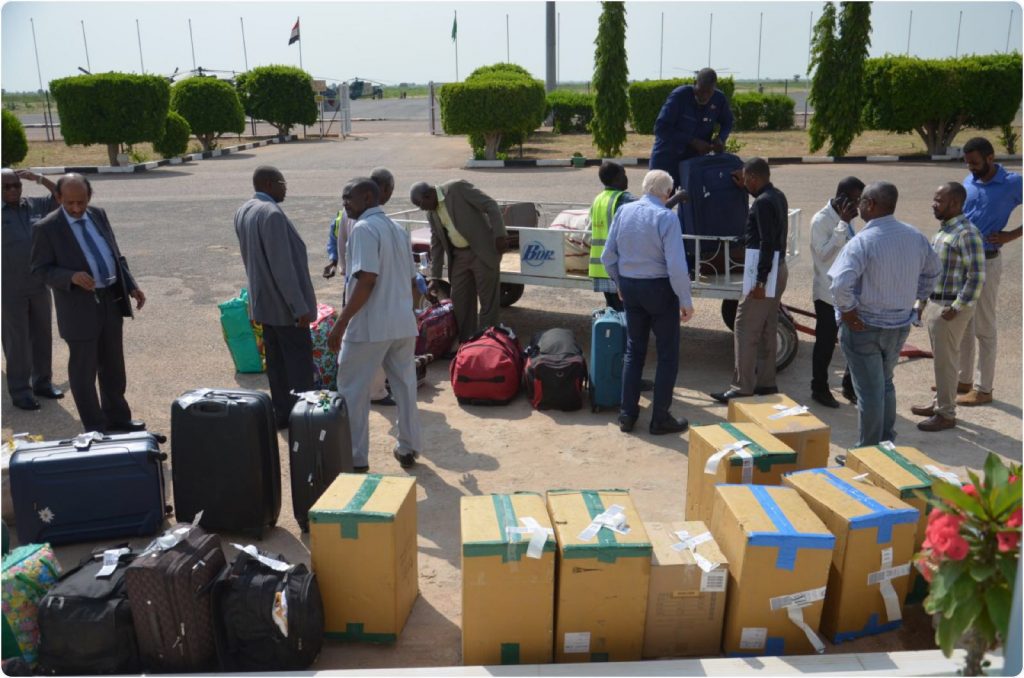
Prof. AbdelGalil described partnerships as central to SALAMAT’s impact. These include:
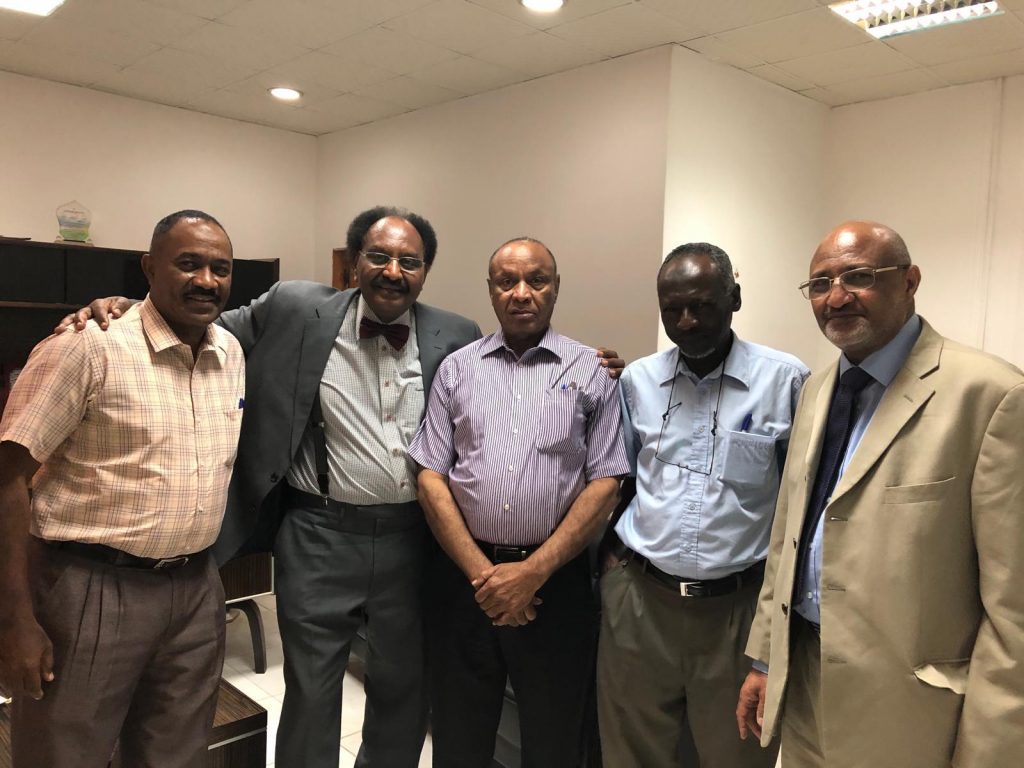
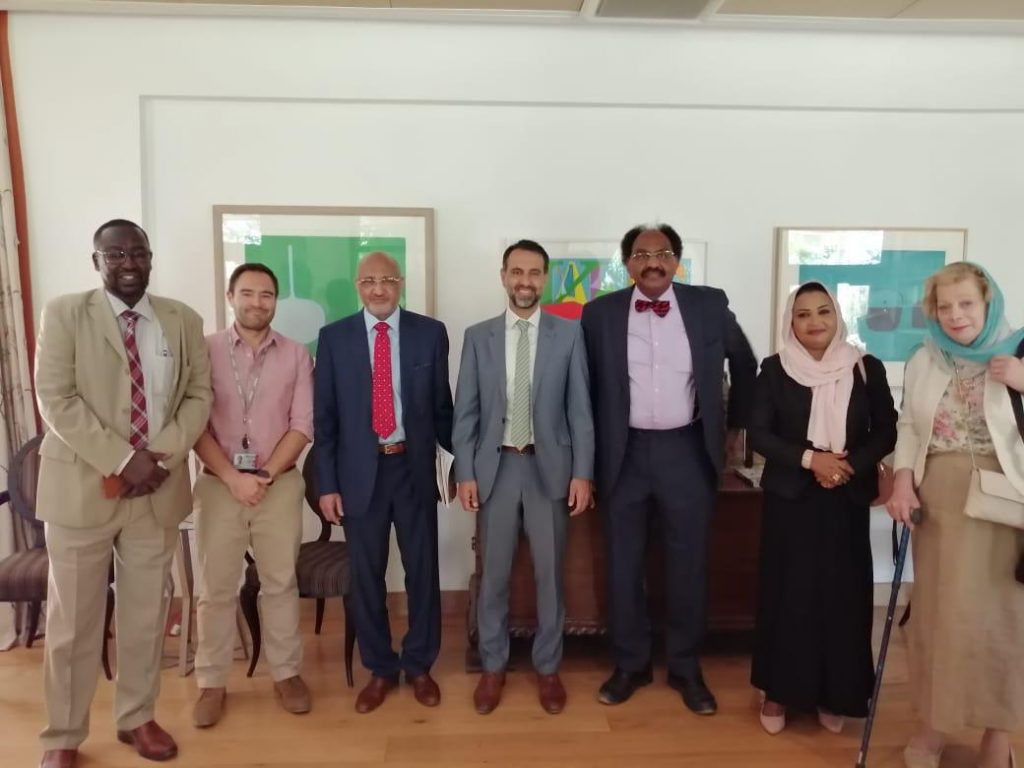
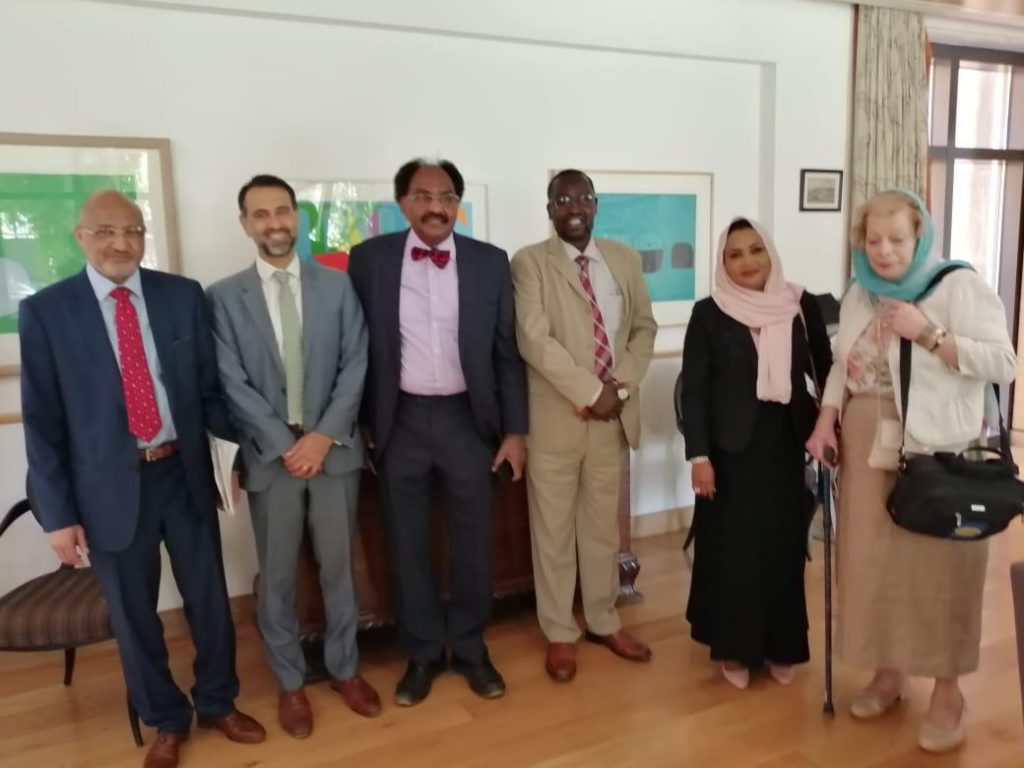
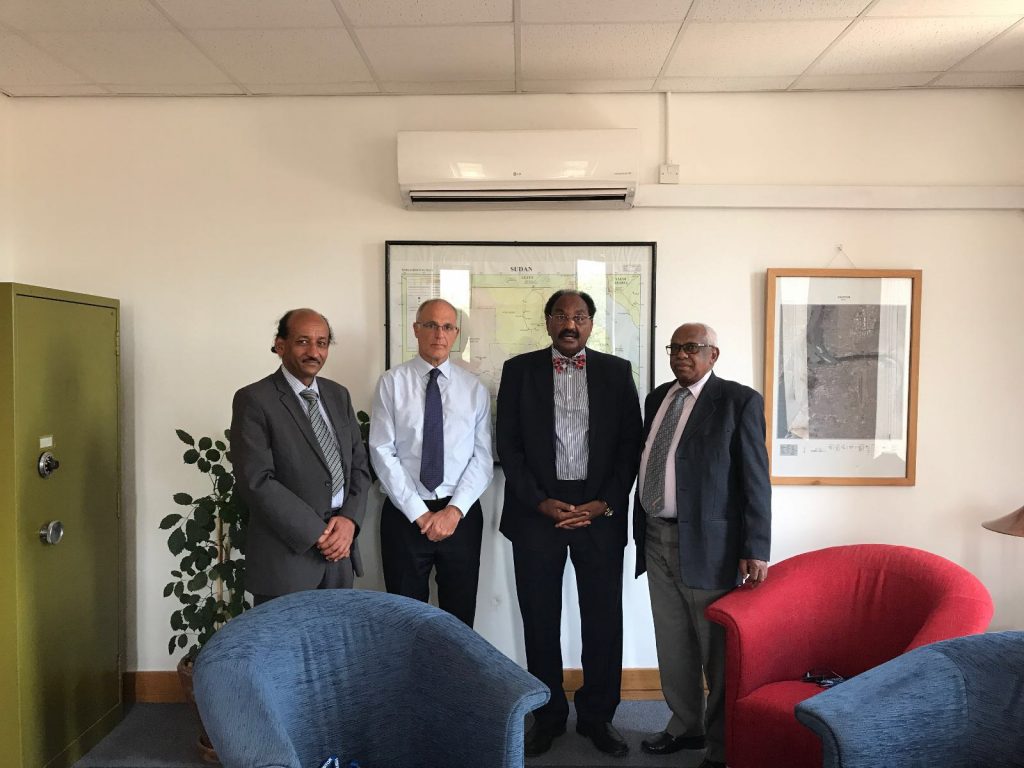
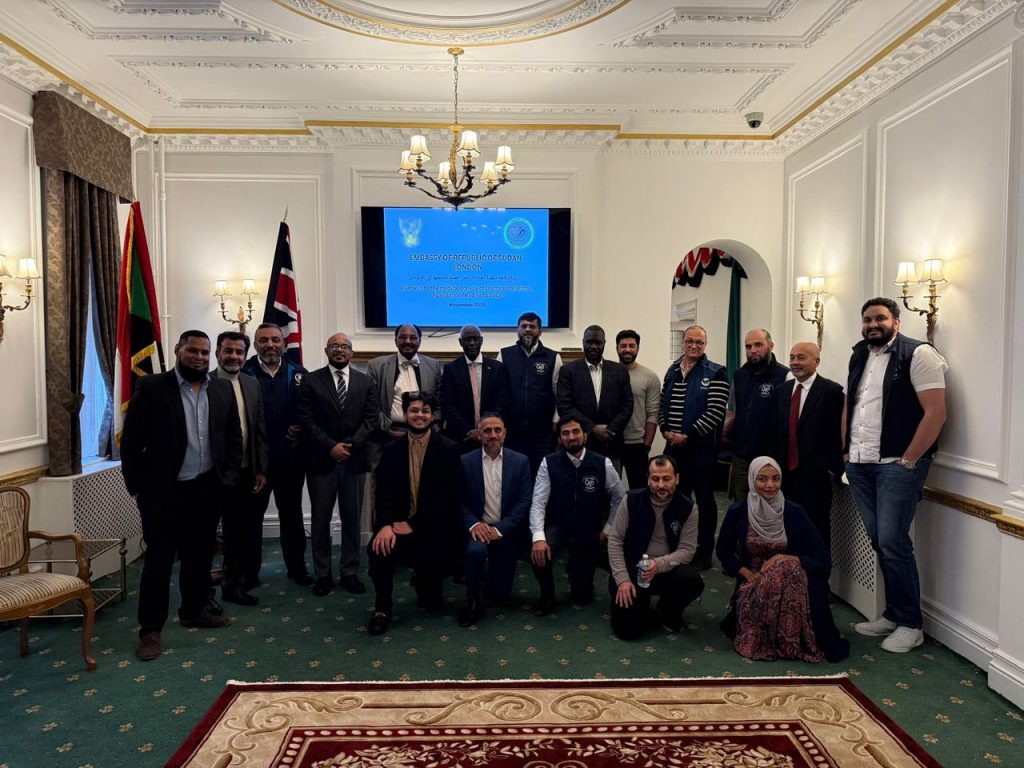
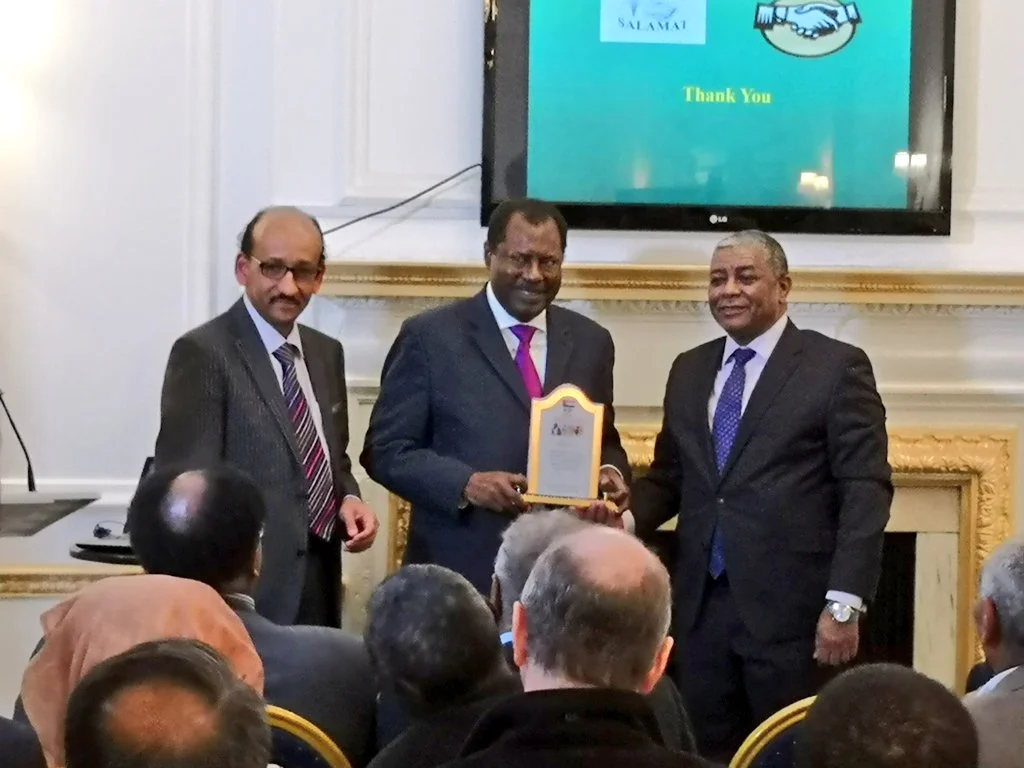
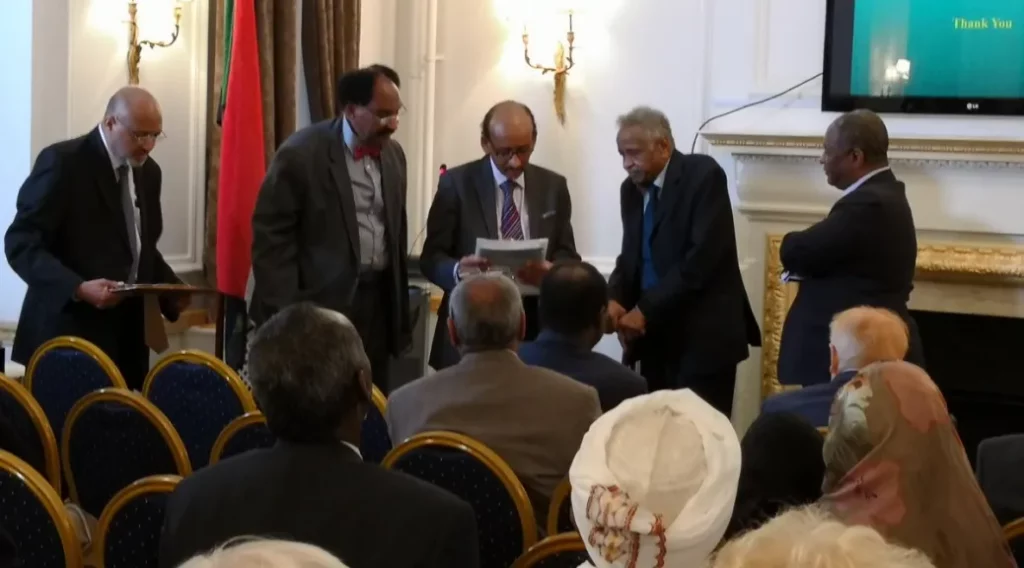
Partnerships with official bodies and institutions
- Secretariat for Sudanese Working Abroad (SSWA) through a knowledge transfer programme (including support for hosting foreign trainers and experts).
- Collaboration with the Sudanese Embassy in the UK and Ireland to facilitate visas for non-Sudanese experts.
- Coordination with state governments and the Federal Ministry of Health on multiple initiatives, including approval of locally manufactured masks during COVID-19.
- Links with Khartoum State Ministry of Health (e.g., free transport initiatives for dialysis patients).
- Collaboration with universities and training bodies, including the Sudanese Medical Specializations Board.
Partnerships with civil and professional organisations
Prof. AbdelGalil mentioned collaboration examples including:
- Sadaqat charity
- The Sudanese Gastroenterology Society for endoscopy training
- The Sudanese Doctors Union in Ireland (SDI) during the COVID-19 response
Partnerships with unions and community groups
Examples included agreements in Gedaref with local unions to provide:
- Free transport for dialysis patients
- Free meals during dialysis sessions (which can exceed four hours)
– and continued collaboration with local community organisations and “Friends of SALAMAT” in Sudan.
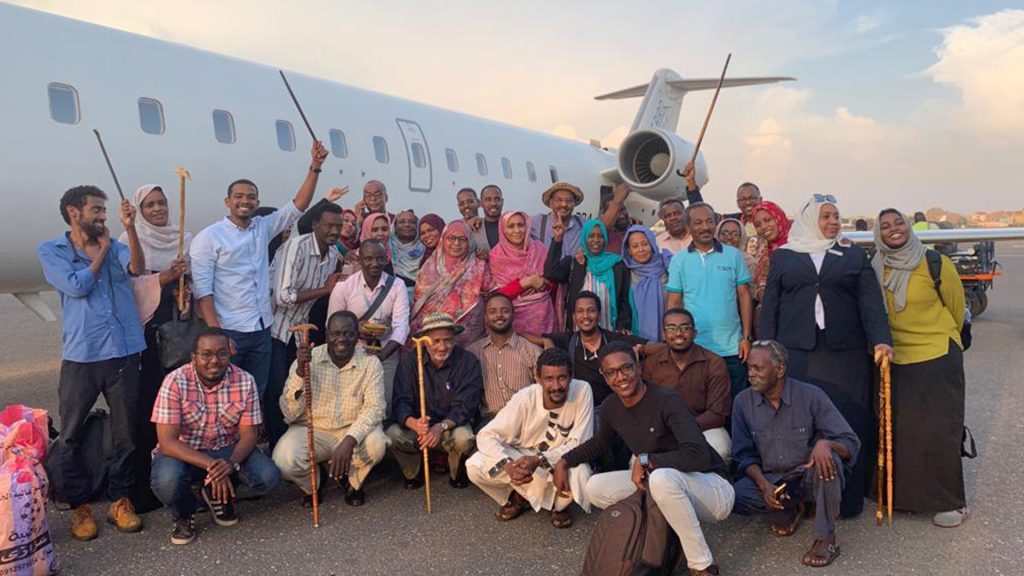
Scale of work: 33 convoys, 25 locations, 18 states (as of the interview)
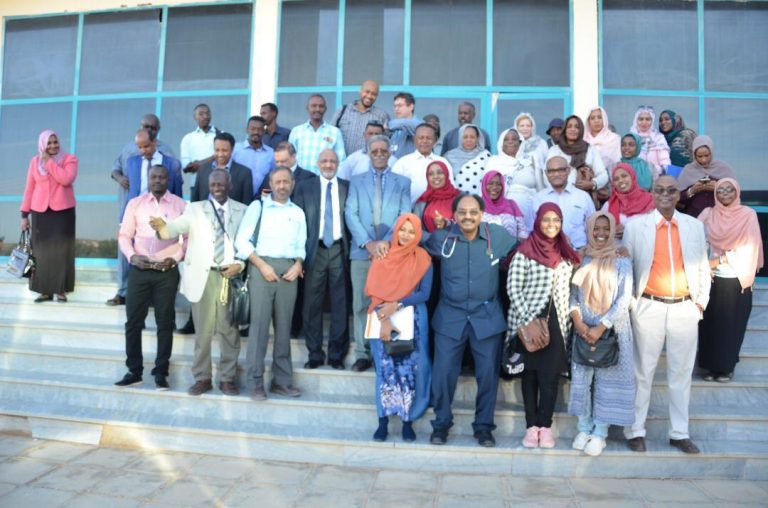
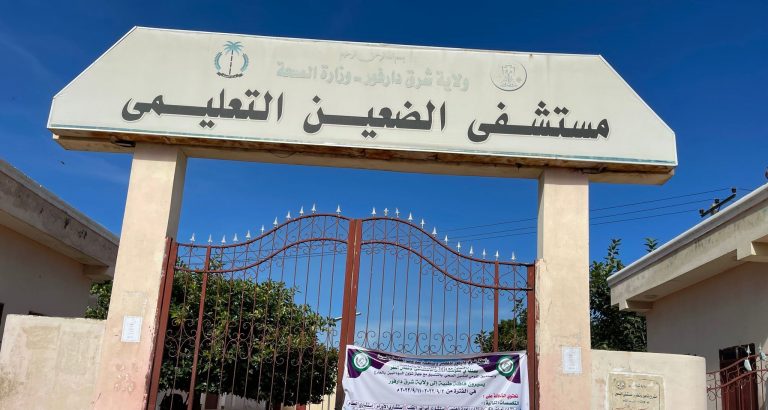
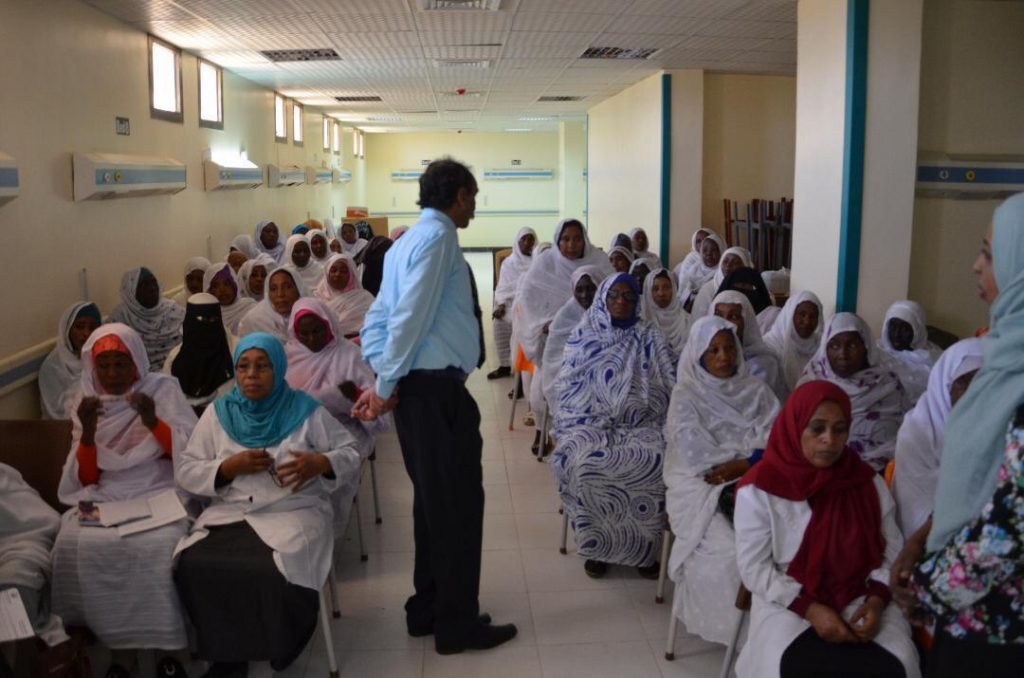
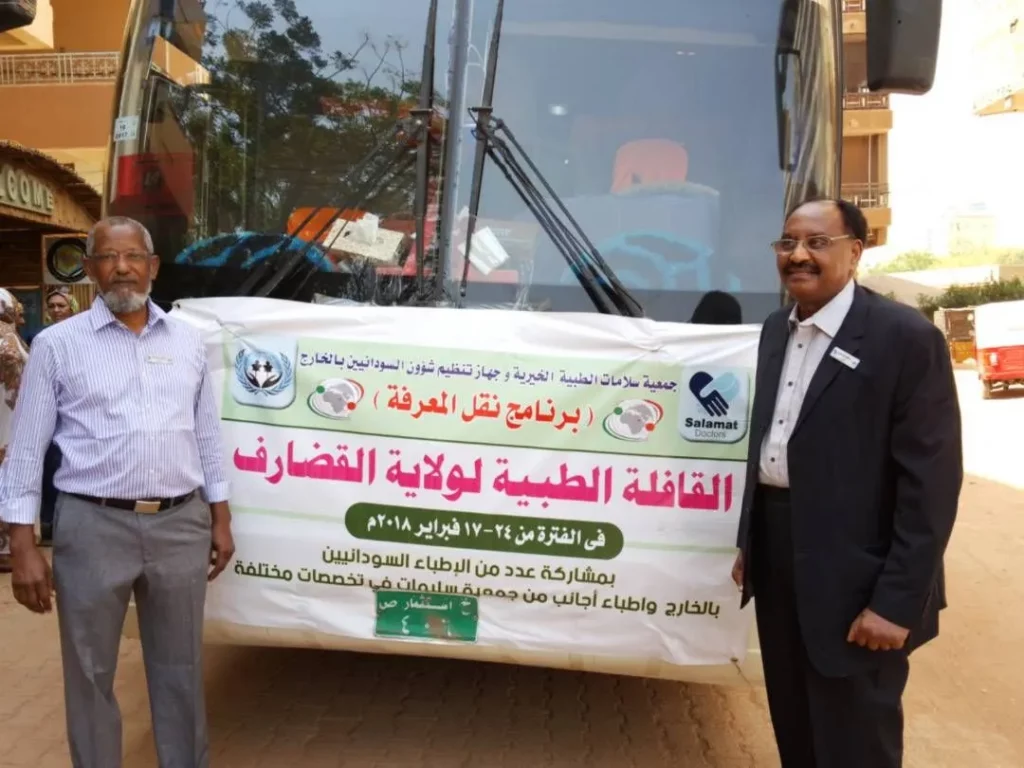
Prof. AbdelGalil stated that over 16 years SALAMAT organised 33 medical and training convoys, visiting 25 cities and villages across 18 states in Sudan – citing locations including Marawi, Gedaref, El Geneina, Kadugli, Nyala, El Daein, Kosti, El Obeid and Dalang.
Examples of high-impact programmes
Kidney programme: “fistula training” and practical support
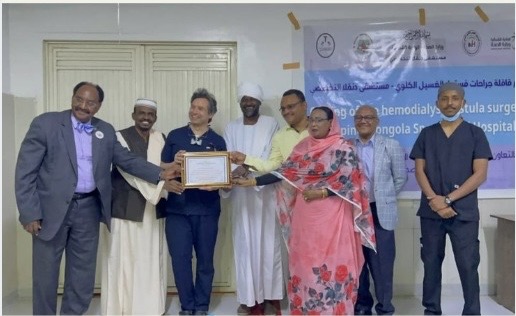
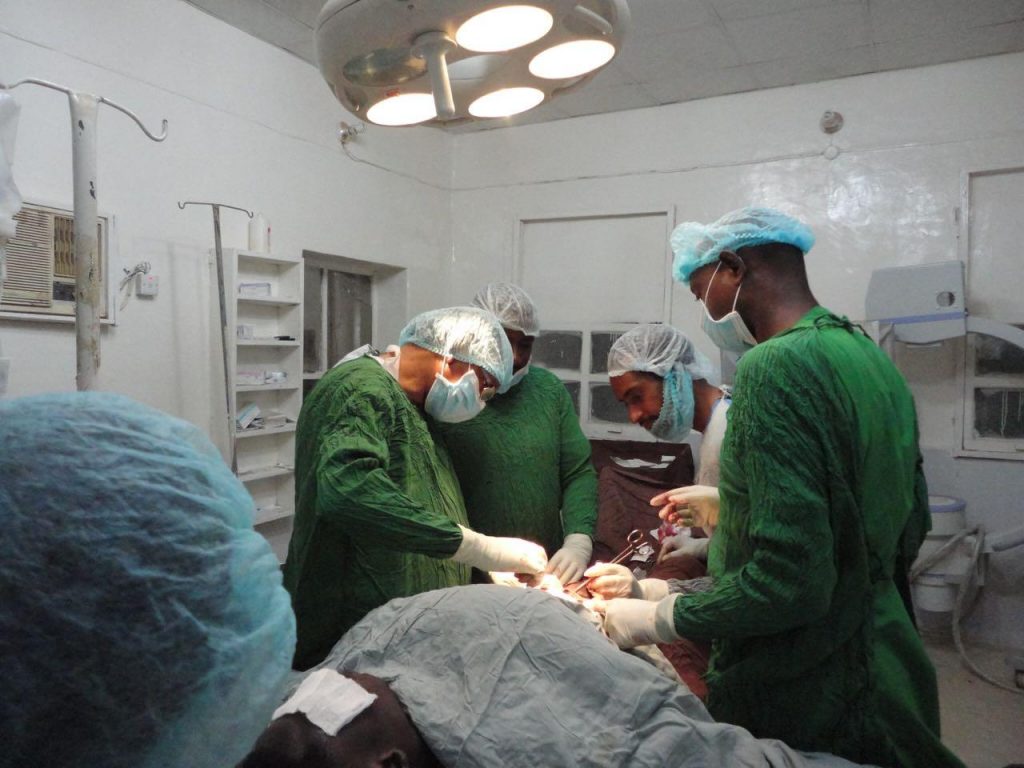
A key intervention was training local surgeons to perform AV fistula creation (essential for dialysis access), reducing the need for costly private procedures and travel to Khartoum. SALAMAT also helped launch community initiatives around dialysis support (transport and meals).
Endoscopy training (sustained programme)
Prof. AbdelGalil described a multi-year endoscopy training programme in partnership with the Sudanese Gastroenterology Society and Sadaqat. One of its outcomes was that the Mohamed Saleh Idris Centre for GI bleeding at Ibn Sina Hospital gained regional accreditation as an endoscopy training centre from an international gastroenterology organisation.
Hearing and vision initiatives
SALAMAT routinely delivers:
- Eye surgeries (especially cataract operations)
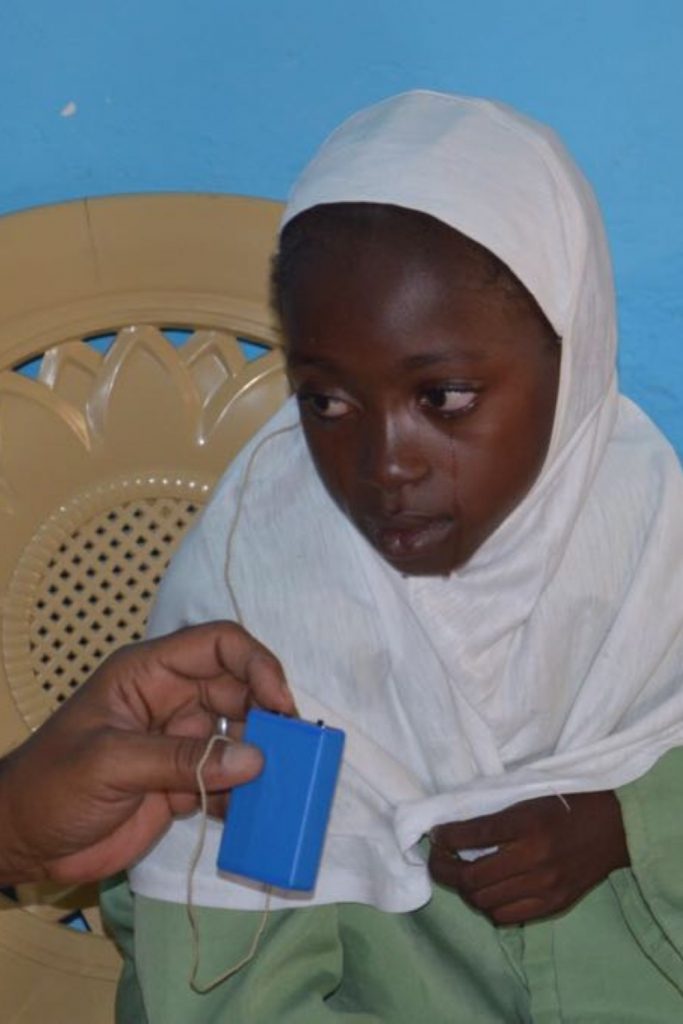
- Hearing screening and provision of hearing aids and glasses for free
Prof. AbdelGalil noted that hearing aids are often provided in significant numbers and that SALAMAT developed a low-cost sustainability model by providing free batteries for a full year. He also gave an example from El Geneina: enabling children to return to school after receiving hearing support.
Saving children from preventable blindness
He highlighted a case where 7 children received congenital cataract operations during one mission—operations that needed to happen before age four to prevent irreversible blindness—along with training for the local specialist.
COVID-19 response: reusable medical masks made locally
During the pandemic, SALAMAT helped lead an initiative producing reusable medical masks locally in collaboration with Sudanese doctors in Ireland. After testing and approval by the Ministry of Health, masks were distributed to health workers across major hospitals in Sudan, supporting the economy by reducing reliance on imported masks.
Training midwives: “SALAMAT Safe Delivery Bag”
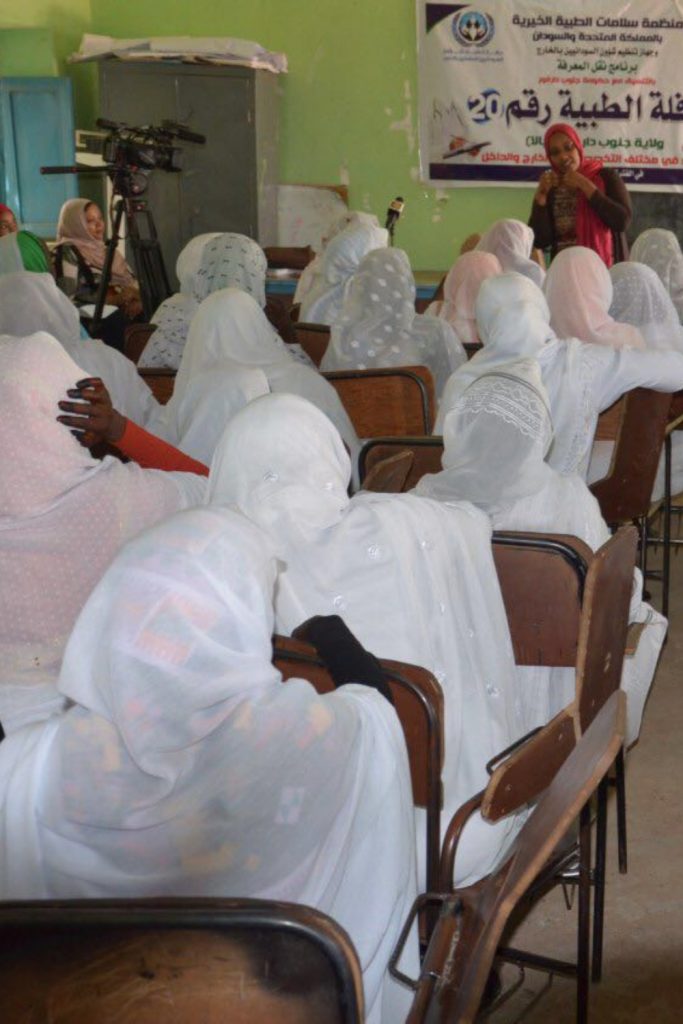
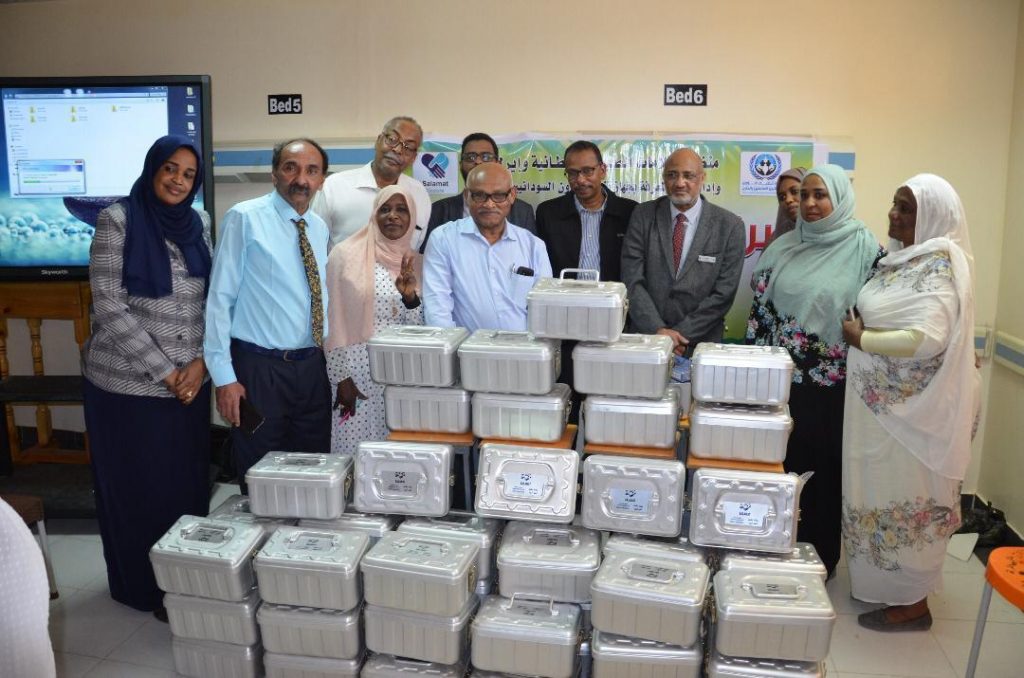
SALAMAT pioneered a one-week training course for local midwives delivered by obstetrics and gynaecology consultants and trained midwives from Khartoum. To motivate attendance and completion, participants receive a SALAMAT Safe Delivery Bag containing sterile instruments and essential items for safe delivery and newborn resuscitation.
SALAMAT typically provides 50 bags per convoy, alongside screening and vaccination for Hepatitis B focused on health workers (and an ambition to expand coverage).
Funding, operations, and neutrality
Prof. AbdelGalil addressed challenges faced by voluntary medical organisations: skepticism, resistance, and pressures for “something in return.” He emphasised that SALAMAT’s work is humanitarian, national, and voluntary “a duty, not a favour.” The funding model is as follows:
- Core funding comes from membership subscriptions and contributions from trustees/executives.
- Members generally cover their own travel costs when joining convoys.
- SALAMAT pays for tickets of foreign (non-Sudanese) experts who participate and works on visas through embassy facilitation.
- Through agreements, SSWA supports hosting/logistics for foreign experts (e.g., accommodation for short periods upon arrival/departure).
- In states, local authorities and community groups often host participants during the mission week.
- SALAMAT requests that state ministries of health do not charge hospital entry or service fees during convoy week, and described this as being accepted despite the cost.
On neutrality and access, he stated SALAMAT is non-profit and non-political, and UK charity law prohibits political involvement. However, necessary engagement with officials can be required to achieve charitable objectives. He also noted that UK foreign travel advisories can limit access to some regions for British citizens.
Looking ahead: rebuilding hospitals after the war
Prof. AbdelGalil concluded with a call for collective national effort after the war, describing the health sector as severely damaged.
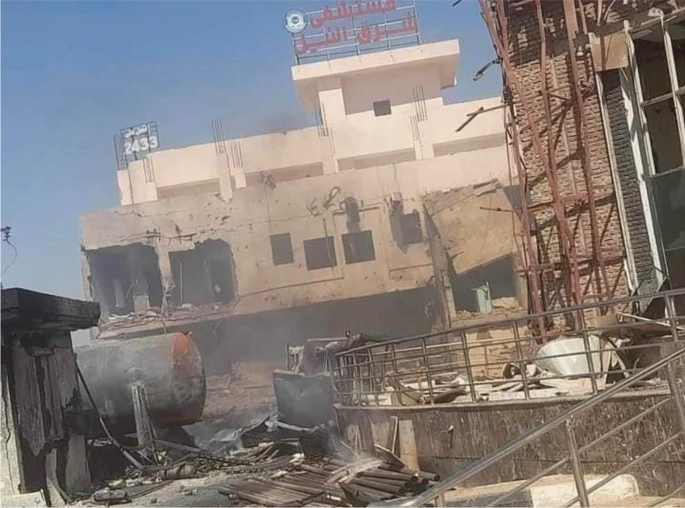
SALAMAT proposed an ambitious multi-year project (approximately 3–5 years) to support the rehabilitation of major reference/teaching hospitals in Khartoum and state hospitals – pending damage assessment and cost estimates – followed by fundraising and partnerships with engineering sectors, business communities, the state, friendly countries, and local/international charities.
Recommendations from the forum (summary)
The session ended with recommendations directed to SALAMAT and partners (including Medics and Sadaqat), community frameworks, and official authorities. Key recommendations included:
- Establish a permanent coordination umbrella for Sudanese voluntary medical organisations.
- Expand institutional twinning and structured collaboration among organisations.
- Build long-term sustainable financing strategies for specialised centres (kidney, oncology, diabetes).
- Strengthen training through Training of Trainers (ToT) and documentation of curricula.
- Scale low-cost, high-impact community projects (e.g., hearing aid batteries; solar-powered insulin fridges).
- Improve administrative facilitation for knowledge transfer and licensing of foreign experts.
- Encourage neutrality and professionalism in essential services.
- Adopt and scale successful community initiatives nationally (e.g., dialysis transport and meals).
- Support local manufacturing of medical supplies and equipment.
- Provide protection and logistics support for humanitarian missions and patient transfers.
A closing comment attributed to Sudan’s Federal Minister of Health in the published piece praised SALAMAT’s multi-area interventions and pointed to the importance of systematic guidance for running medical convoys and camps (pre-coordination, staffing lists, patient preparation, hospital needs assessment, training programme, medicines/equipment, and post-convoy follow-up).