Credit: Based on an original Arabic article by: Prof. Abobakr Shadad.
Additional source: The Guardian obituary.
Translated and edited by: Dr. Anas Elhag.
Long before SALAMAT became the organised charity it is today, Sudanese doctors in the UK were already searching for ways to serve communities back home, not only through treatment, but also through training and long-term capacity building.
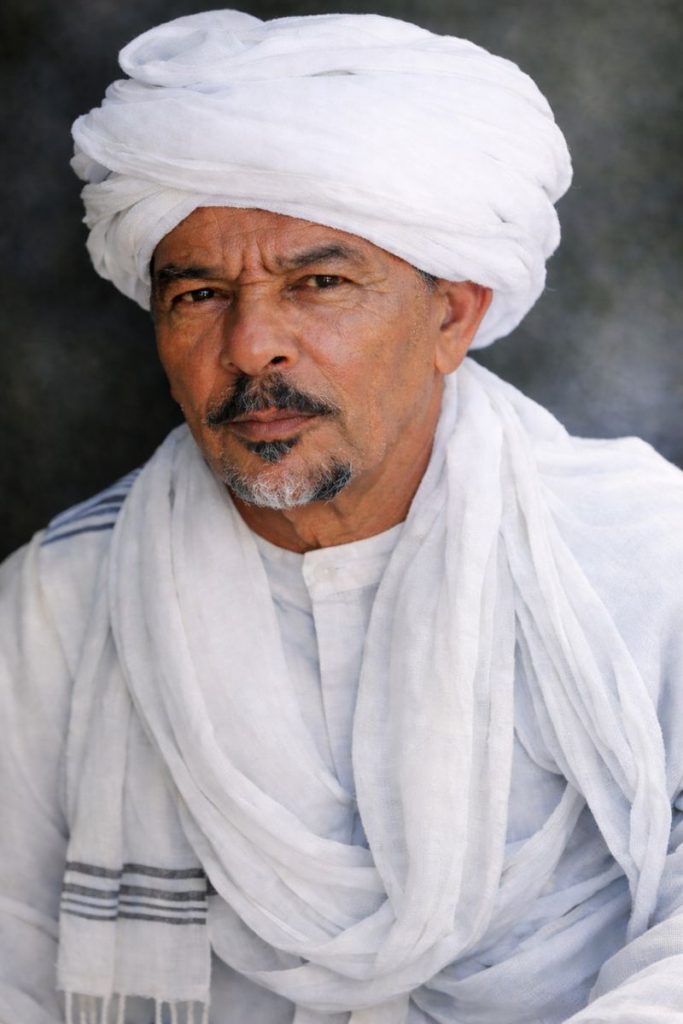
In that early chapter, one name appears again and again: Sheikh Ibrahim El Tayeb El Rayah, a Sudanese philanthropist whose support helped turn ideas and good intentions into real, deliverable healthcare on the ground in Sudan.
A life shaped by achievement and generosity
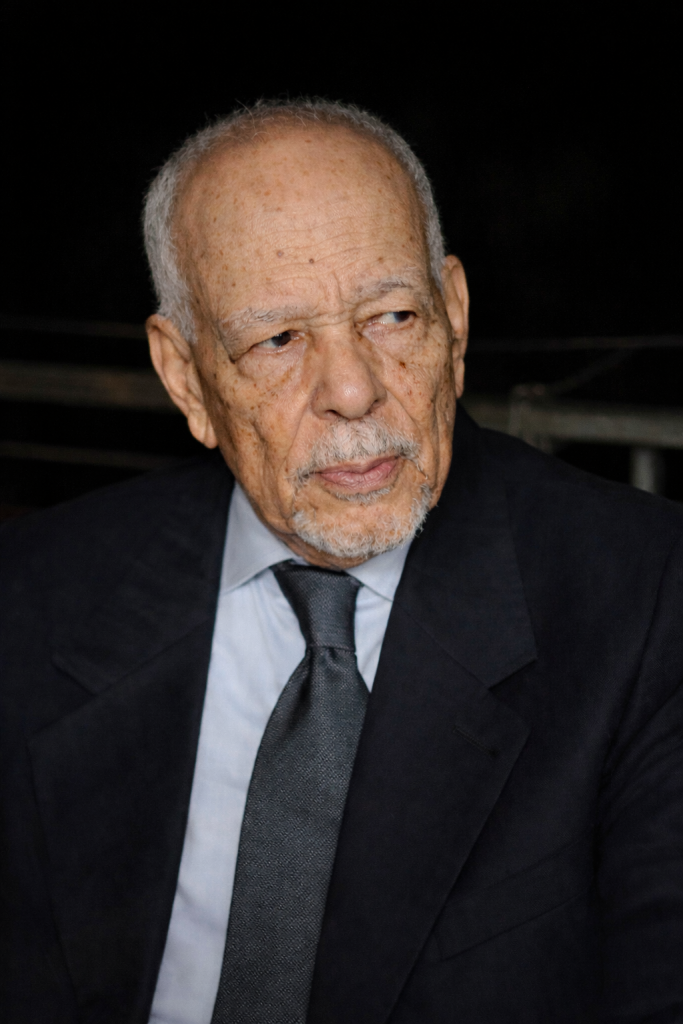
Sheikh Ibrahim was born in Rufaa, Sudan, studied at Gordon Memorial College, and graduated in 1943. He later built successful business activities in Nigeria and spent significant time in London, while remaining closely connected to Sudan and the Sudanese community abroad.
He was widely known for quiet, practical philanthropy, helping individuals and backing projects that strengthened services, training, and institutions. In recognition of his contribution, he received an honorary doctorate from the University of Khartoum in 1997.
A Story that says everything about him
In the early 1990s, a young Sudanese doctor working in London wrote to Sheikh Ibrahim with a simple, urgent request.
The doctor’s renal unit was replacing its dialysis machines. Several machines were still usable, and the hospital had agreed to donate them to Sudan. The problem was not the machines, but the costs needed to prepare them properly and ship them. The doctor asked for £500 to cover servicing and transport so the machines could be prepared properly and sent to Sudan, and become the nucleus of a dialysis service in Wad Madani.
What makes the story remarkable is this: Sheikh Ibrahim did not know the doctor personally at the time. Yet he acted immediately. Instead of £500, he issued a cheque for £2,000, enough to service four Gambro 10AK dialysis machines and prepare them for shipment to Sudan.
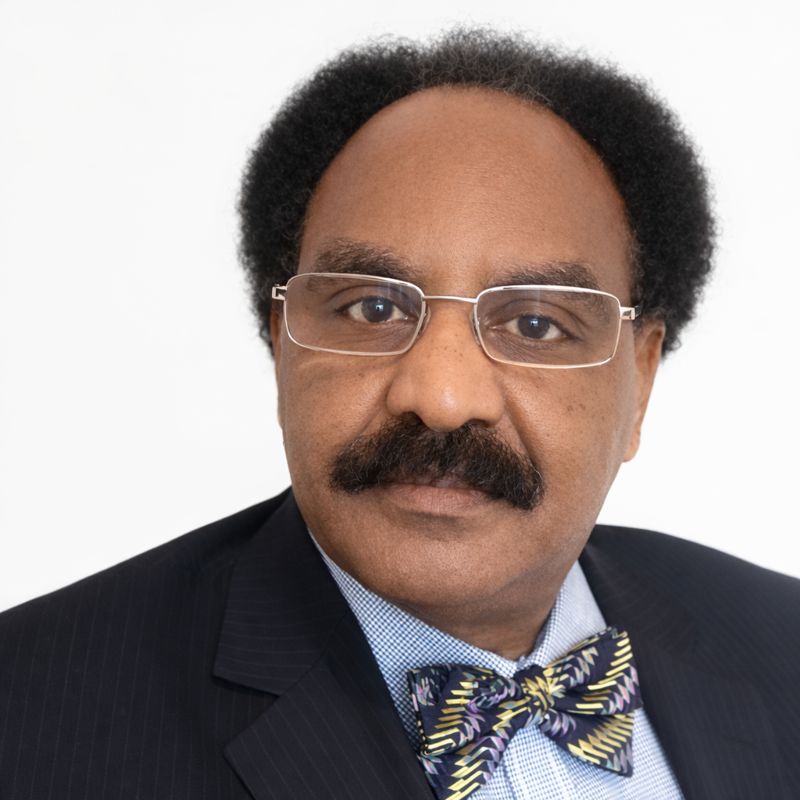
That young doctor later became Prof. AbdelGalil Abdulrahman, who went on to play a central leadership role in SALAMAT and remained deeply involved in its work.
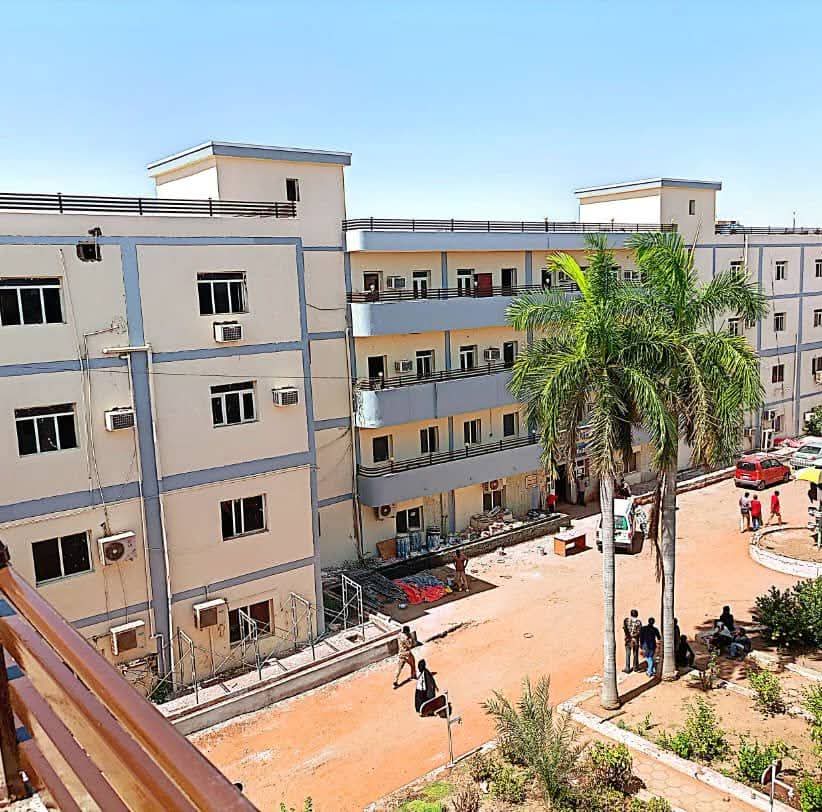
These four machines became the nucleus of a truly sustainable initiative. Over just a few years – through continued support, training, capacity-building, and strong local partnerships – this modest beginning evolved into Sudan’s largest specialist centre for kidney disease and kidney surgery: the Gezira Centre for Kidney Disease and Surgery. Today, the centre serves a large number of patients and stands as a powerful example of how a focused, well-delivered intervention can grow into lasting national impact.
This story captures a pattern people came to recognise in Sheikh Ibrahim: he was not interested in symbolic support. He responded with speed, trust, and a focus on doing the job properly, in a way that creates something lasting.
Building an institutional base for health, training, and convoys
Sheikh Ibrahim believed charity should not depend only on individuals, and he invested in institution-building. He founded and led the Sudanese National Council of the UK and Ireland, and later established it in London as a formal entity. Through this platform, medical and training convoys were organised from Britain to Sudan.
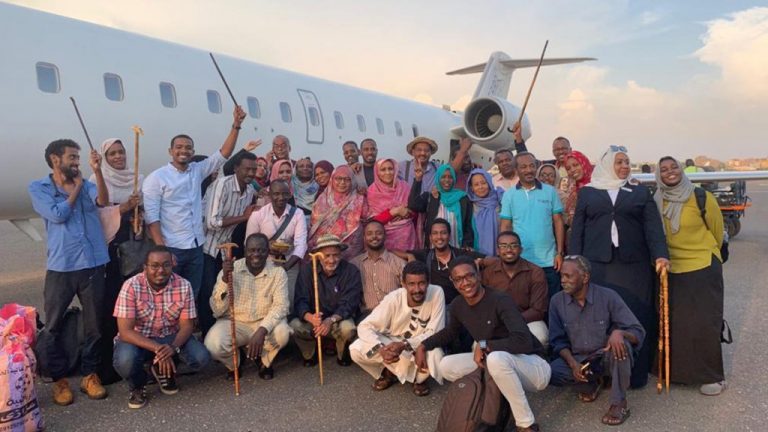
From 2003, convoys were sent to Sudan through the council’s medical circle, and their funding came through the council and Sheikh Ibrahim’s support. These missions were designed to deliver medical care and training together. Under the Sudanese National Council’s convoys, 20 convoys were sent to Sudan, with participation from around 300 doctors and nurses, and convoys included structured training delivered by UK specialists, including intensive care training for local medical staff at Ribat University Hospital in Khartoum.
The council’s work was not limited to health. It also supported education and public initiatives, including sponsoring Sudanese study abroad, organising major conferences for Sudanese doctors overseas, and supporting links between Sudanese and British universities.
Supporting kidney services and transplant capacity in Sudan
Sheikh Ibrahim’s impact was also felt through major support to kidney care and transplant services in Sudan. His support contributed to the establishment of kidney transplant centres in Khartoum, Bahri, and Wad Madani, alongside training for clinical teams. His funding also supported the creation of a tissue-typing laboratory in Wad Madani and the training of staff in London to operate it. Under this broader effort, large numbers of transplant operations were carried out under specialist supervision, and many clinicians and health workers received training in the process.
How this connects to SALAMAT’s founding
Many of the people who later founded SALAMAT were involved in those earlier convoys. By 2009, the funding that had supported the convoys through the council and Sheikh Ibrahim’s backing had stopped. The question became direct and unavoidable: Do we stop? The decision was to continue, even with limited resources, by building a sustainable organisation funded and carried forward by its founders and members.
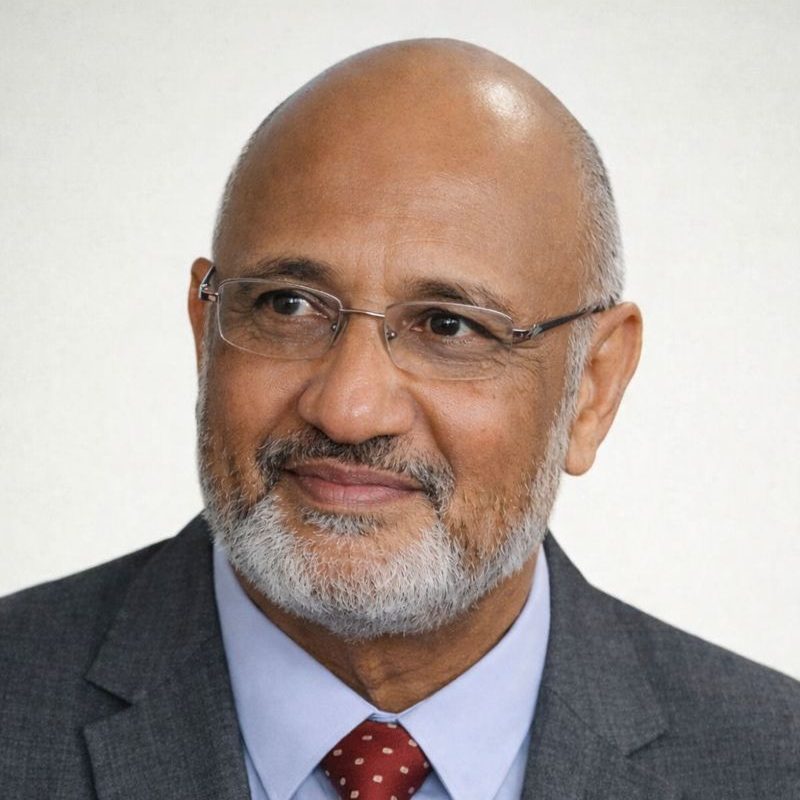
In 2009, SALAMAT was established in a meeting held at the home of Dr Mohamed Osman Elamass, attended by the early founders: Dr Mohamed Elamass, Dr Majed Omar Mohamed El Tayeb, Dr Ali Abbas Imam, Dr Abdelnaser Mohamedin, Dr Altahir Hamad El Nile, Dr Mohamed Mohi Eldeen Mahgoub, Dr Omar Nugud, and Prof. AbdelGalil Abdulrahman.
SALAMAT’s later model, sustained through collective effort and shared responsibility, did not replace Sheikh Ibrahim’s legacy. It was, in many ways, built in response to it, and inspired by it.
A legacy worth remembering
Sheikh Ibrahim El Tayeb El Rayah is remembered not only for generosity, but for the kind of generosity that builds systems: dialysis services that keep running, training that multiplies skill, convoys that combine treatment and education, and institutions that outlast any one person.
SALAMAT is proud to carry forward that spirit of practical, dignified, sustainable service.